




What is the coefficient of friction between the conveyor belt and the roller?
 Oct 14, 2025|
 The coefficient of friction between the conveyor belt and the roller is a crucial parameter in the design, operation, and performance of conveyor systems. As a leading supplier of Conveyor Belt Rollers, I've witnessed firsthand how this seemingly technical detail can significantly impact the efficiency and reliability of conveyor operations across various industries. In this blog post, I'll delve into what the coefficient of friction is, why it matters, and how it relates to the conveyor belt rollers we supply.
Understanding the Coefficient of Friction
The coefficient of friction is a dimensionless number that represents the ratio of the force of friction between two surfaces to the normal force pressing the two surfaces together. In the context of a conveyor system, it quantifies how well the conveyor belt grips the roller. There are two main types of coefficients of friction: static and kinetic.

The static coefficient of friction (μs) comes into play when the conveyor belt is at rest relative to the roller. It determines the maximum force that can be applied before the belt starts to slip on the roller. On the other hand, the kinetic coefficient of friction (μk) is relevant when the belt is in motion relative to the roller. Typically, μk is slightly lower than μs, which means it takes less force to keep the belt moving once it has started slipping.
Why the Coefficient of Friction Matters
Power Transmission
One of the primary functions of the conveyor belt and roller system is to transmit power from the motor to move the belt and transport materials. A higher coefficient of friction allows for more efficient power transmission. When the friction is sufficient, the roller can effectively grip the belt, minimizing slippage. This ensures that the power generated by the motor is used to move the belt and its load, rather than being wasted on overcoming slippage.
Belt Tracking
Proper belt tracking is essential for the smooth operation of a conveyor system. The coefficient of friction between the belt and the roller influences how the belt stays centered on the rollers. If the friction is uneven across the width of the belt or between different rollers, the belt may tend to drift to one side, leading to premature wear, damage to the belt edges, and potential system failures.
Load Capacity
The ability of a conveyor system to carry heavy loads is also related to the coefficient of friction. A higher coefficient of friction allows the rollers to exert more force on the belt, enabling it to handle larger loads without slipping. This is particularly important in industries such as mining, construction, and manufacturing, where conveyor systems are often required to transport heavy and bulky materials.
Factors Affecting the Coefficient of Friction
Surface Material
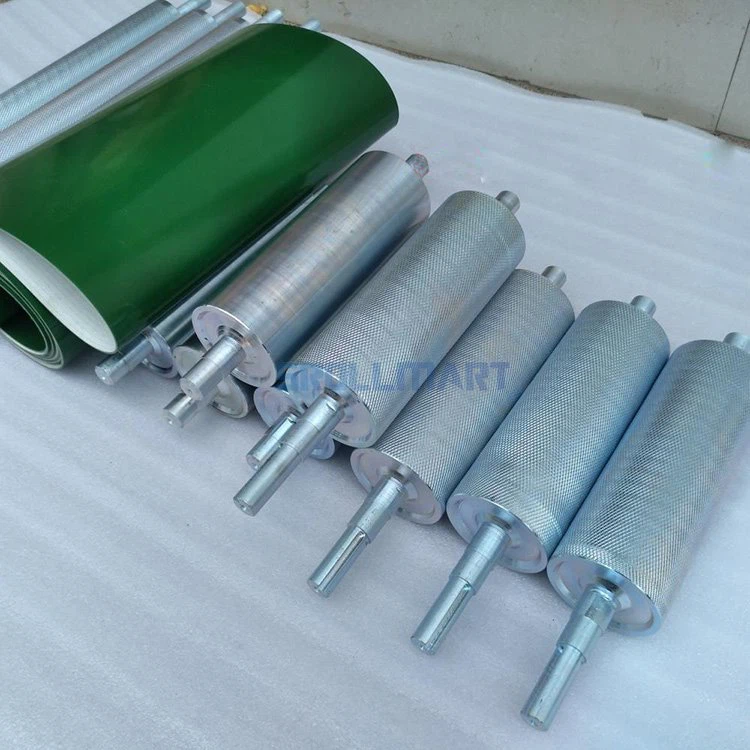
The materials of the conveyor belt and the roller surface have a significant impact on the coefficient of friction. For example, rubber belts tend to have a higher coefficient of friction on steel rollers compared to plastic belts. Additionally, the surface finish of the roller can also affect friction. A smooth surface may reduce friction, while a textured or knurled surface can increase it. Our Knurled Belt Driven Roller is designed with a special knurled pattern on the surface to enhance the friction between the belt and the roller, improving power transmission and belt tracking.
Surface Cleanliness
Contaminants such as dust, dirt, oil, or moisture on the belt or roller surface can reduce the coefficient of friction. Regular cleaning and maintenance of the conveyor system are essential to ensure optimal friction. In some environments, such as food processing or pharmaceutical industries, where cleanliness is of utmost importance, special conveyor belts and rollers with anti - contamination properties may be required.
Temperature
Temperature can also affect the coefficient of friction. As the temperature changes, the physical properties of the belt and roller materials may change, leading to variations in friction. For example, at high temperatures, rubber belts may become softer, which can increase the contact area and potentially increase the friction. However, extreme temperatures can also cause material degradation, which may ultimately reduce the coefficient of friction.
Measuring the Coefficient of Friction
Measuring the coefficient of friction between the conveyor belt and the roller can be a complex process. There are several methods available, including using specialized friction testing equipment. These devices typically apply a known normal force to the belt and roller and measure the force required to initiate or maintain relative motion between them. By dividing the frictional force by the normal force, the coefficient of friction can be calculated.
In practice, manufacturers often rely on empirical data and testing during the design and development of conveyor systems. They conduct tests under various conditions to determine the optimal coefficient of friction for a specific application. This data is then used to select the appropriate belt and roller materials, surface finishes, and operating parameters.
Our Conveyor Belt Rollers and the Coefficient of Friction
As a Conveyor Belt Roller supplier, we understand the importance of the coefficient of friction in conveyor system performance. That's why we offer a wide range of rollers designed to meet different friction requirements.
Our Unpower Belt Driven Steel Roller is made of high - quality steel, which provides a good balance of strength and friction. The steel surface can be treated to achieve the desired level of friction, depending on the application. Whether you need a roller for light - duty or heavy - duty conveyor systems, our unpowered belt - driven steel rollers can be customized to meet your specific needs.
In addition to the standard rollers, we also offer rollers with special surface treatments and designs to enhance the coefficient of friction. For example, our knurled rollers, as mentioned earlier, are designed to provide better grip on the belt, improving power transmission and belt tracking.
How to Optimize the Coefficient of Friction
Select the Right Materials
Choosing the appropriate belt and roller materials is the first step in optimizing the coefficient of friction. Consider the type of materials being transported, the operating environment, and the required load capacity. Our team of experts can help you select the best combination of belt and roller materials based on your specific application.
Maintain Proper Tension
Proper belt tension is crucial for maintaining the coefficient of friction. If the belt is too loose, it may slip on the rollers, reducing the friction. On the other hand, if the belt is too tight, it can cause excessive wear on the belt and rollers and may also increase the power consumption. Regularly check and adjust the belt tension to ensure optimal performance.
Keep the System Clean
As mentioned earlier, surface cleanliness is important for maintaining the coefficient of friction. Implement a regular cleaning schedule to remove contaminants from the belt and roller surfaces. Use appropriate cleaning agents and methods to avoid damaging the materials.
Conclusion
The coefficient of friction between the conveyor belt and the roller is a critical factor in the performance and efficiency of conveyor systems. Understanding this parameter and taking steps to optimize it can lead to significant improvements in power transmission, belt tracking, and load capacity. As a Conveyor Belt Roller supplier, we are committed to providing high - quality rollers that are designed to meet the specific friction requirements of our customers.
If you are in the market for conveyor belt rollers or need more information about how to optimize the coefficient of friction in your conveyor system, please don't hesitate to contact us for procurement and further discussions. We look forward to working with you to enhance the performance of your conveyor systems.
References
- "Conveyor Belt Handbook" by Conveyor Equipment Manufacturers Association (CEMA)
- "Mechanical Engineering Design" by Joseph E. Shigley and Charles R. Mischke
- Journal articles on conveyor system design and performance from industry - related publications such as "Bulk Solids Handling" and "Material Handling Engineering"