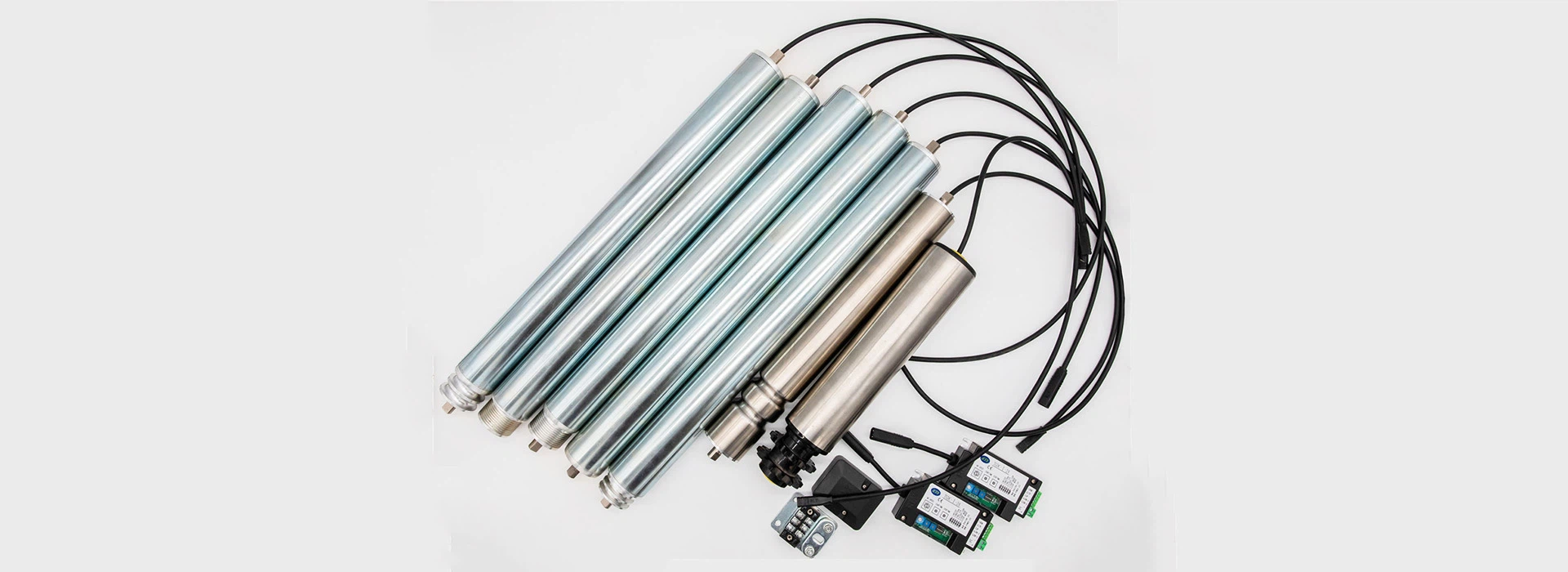
Brief Introduction to Conveyor System
Conveyor system is a system used to automatically transport materials between different locations. It consists of multiple components, including conveyor belts, drive devices, support structures, tensioning devices, guide devices, and control systems. It is widely used in various industries, such as manufacturing, logistics, agriculture, mining, etc., to improve production efficiency, reduce labor intensity, and optimize production processes.
Efficiency
The conveyor system can transport materials continuously and efficiently, significantly improving the overall efficiency of the production line. They can automatically move materials from one location to another, reducing the need for manual handling, thus saving time and labor costs.
Flexibility
The conveying system can be customized and designed according to production needs to meet the conveying requirements of materials of different shapes, sizes and weights. In addition, some advanced conveying systems also have telescopic and adjustable functions and can flexibly adapt to changes in the production line.
High Degree Of Automation
Modern conveying systems are usually combined with automated control systems to realize automatic sorting, packaging, testing and other processes of materials. This high degree of automation not only improves production efficiency, but also reduces the possibility of human error.
Save Space
The conveyor system usually adopts a three-dimensional structure or a suspended design, which effectively saves floor space. This is especially important for factories and warehouses with limited space, helping to optimize space layout and improve space utilization.
Reduce Labor Intensity
The automation and mechanization features of the conveyor system reduce the labor intensity of workers and avoid the physical harm to workers caused by long-term repetitive labor. At the same time, it also helps improve workplace safety and reduce the occurrence of work-related accidents.
High Reliability
Conveying systems usually use durable materials and advanced manufacturing processes, with high reliability and stability. They are able to operate for extended periods of time in harsh working environments, reducing failure rates and downtime.
Easy To Maintain
Many conveying systems are designed with structures that are easy to maintain and inspect, making maintenance and repair work more convenient and faster. This helps extend the life of the equipment and reduces maintenance costs.
Adaptable
The conveying system can adapt to the conveying needs of a variety of materials and environments. Whether it is powdery, granular or lumpy materials, whether it is dry or humid environment, you can find a suitable conveying solution.
Conveyor Belt
As the main carrier and transmission medium of materials or products, the conveyor belt transports materials from one location to another through continuous movement. It is usually made of wear-resistant and corrosion-resistant materials such as rubber, PVC, PU, nylon, etc.
Frame
It can provide a stable support structure for the entire conveying system to ensure that the conveyor belt and other components can be installed and operated stably. It is mainly made of strong and durable materials such as carbon steel, stainless steel or aluminum alloy.
Drive Unit
The drive unit provides power to the conveyor belt so that it can run continuously and smoothly. It usually includes a motor, a reducer, transmission components (such as sprockets, chains, gears), etc.
Tensioning Device
It is used to adjust the tension of the conveyor belt to ensure its stable operation and prevent slipping or excessive relaxation. It may include a spring tensioner, a heavy hammer tensioner or a hydraulic tensioner, etc.
Guiding Device
The guiding device is used to guide the running direction of the conveyor belt to prevent it from deviating from the predetermined track. It usually includes side guides, rollers and other components.
Supporting Rollers
It supports the conveyor belt and reduces its running resistance, while ensuring that the material can pass smoothly through the conveying system. Depending on the purpose and location, supporting rollers may include load-bearing rollers, return rollers, self-aligning rollers and other types.
Control System
The control system is used to control the start, stop, speed regulation and monitoring of the conveying system. It usually includes electrical control cabinets, sensors, buttons, display screens and other components.
Safety Protection Device
It is used to protect the conveying system and personnel safety and prevent accidents caused by unexpected situations. It may include emergency stop buttons, overload protectors, anti-deviation devices, anti-tear detection devices, etc.
Belt Conveyor
This is the most common type of conveyor, using a looping belt or chain to transport materials. It can be horizontal, inclined or vertical, suitable for a variety of materials and long distances. Belt conveyors usually include components such as drive devices, tensioning devices, rollers, and cleaning devices.
Roller Conveyor
It consists of a series of rollers, on which materials are placed and moved by the rotation of the rollers. It is suitable for occasions that require frequent changes in direction or require high-speed operation.
Screw Conveyor
It is also called a screw elevator or screw feeder, which uses rotating spiral blades to transport materials from one end to the other. It is usually used for the transportation of powders, granules or small pieces of materials, and is suitable for vertical or inclined conveying needs.
Chain Plate Conveyor
It uses a chain to drive a chain plate or a pallet on the chain to transport materials. It is suitable for heavy materials or occasions that require stable transportation.
Vibrating Conveyor
It moves materials by vibration and is usually used to convey materials that are difficult to handle by traditional methods, such as sticky or wet materials.
Overhead Conveyor
Material is transported by chains or tracks suspended in the air, suitable for occasions where ground space needs to be saved.
Air Cushion Conveyor
It uses air cushions to support and transport materials, which can reduce friction and wear between materials and conveyor belts.
Conveying Capacity
Determine the maximum and minimum conveying volume required according to production needs to ensure that the conveyor can meet production requirements. Determine the appropriate conveying speed based on material characteristics and production processes.
Conveying Distance And Height
You can measure the horizontal distance that the material needs to be conveyed to determine the length of the conveyor. If the material needs to be conveyed vertically, consider choosing a suitable vertical conveyor or inclined conveyor and calculate the required vertical height.
Conveying Environment
You also need to consider factors such as temperature, humidity, corrosiveness, and explosion-proof requirements of the conveying environment, and choose a conveyor that can adapt to these environments. In addition, you need to evaluate the size of the space where the conveyor is installed and choose a conveyor of the appropriate size and shape.
Equipment Reliability And Maintainability
You need to choose a reliable and durable conveyor to reduce failures and downtime. You also need to consider the ease of maintenance of the conveyor, including the replacement, cleaning and maintenance of wearing parts.
Overall Inspection
Periodically conduct a comprehensive inspection of the conveyor, including the conveyor belt, drive device, tensioning device, support frame, transmission device and other components to ensure its normal operation. Check whether each fastener is tightened. If it is loose, tighten it in time.
Conveyor Belt Inspection
Check whether the conveyor belt is worn, cracked or otherwise damaged. If so, it should be handled or replaced in time. Check whether the conveyor belt is deviated or slipped, and adjust it in time. Clean the dirt and foreign matter on the inside of the conveyor belt to ensure reliable belt friction.
Drive Device Inspection
Check whether the transmission motor and reducer are abnormal. If there is abnormal noise or overheating, it should be handled in time. Check the oil temperature, noise and sealing condition of the reducer, and replace damaged seals in time to avoid running without oil.
Tensioning Device Inspection
Regularly check the tension of the conveyor belt to ensure that the conveyor belt is appropriately tight to prevent slipping or deviation.
Lubrication Point Inspection
Check whether there is enough lubricating oil at each lubrication point of the equipment. If there is a shortage, it should be replenished in time. For lubricating oil that needs to be replaced regularly, such as reducer lubricating oil, it should be replaced according to the requirements of the equipment manual. Lubricate the conveyor's bearings, chains, sprockets and other components regularly to reduce friction and wear.
Industrial Manufacturing
In the manufacturing industry, conveyor systems are a key component in automating production lines. They can continuously and stably transport raw materials, semi-finished products and finished products to ensure smooth production processes. On the assembly line, conveyor systems can deliver different components to designated workstations as needed, improving assembly efficiency and accuracy. Conveyor systems can replace manual handling of heavy objects, reduce the risk of work-related injuries, and improve handling speed and efficiency.
Logistics and Distribution
In warehouses, conveyor systems can help to quickly and accurately handle and store goods, improve warehouse storage density and cargo turnover. Combined with automated sorting technology, conveyor systems can efficiently sort goods according to destination or order, reducing manual errors and delays.
Food Processing
In the food processing industry, conveyor systems are used to transport raw materials, semi-finished products and finished products to ensure the continuity and hygiene of the production process. In the cleaning and packaging links, conveyor systems can transport food to the corresponding equipment for processing, improving production efficiency and product quality.
Mines And Quarries
In mines and quarries, conveyor systems are widely used in the mining, transportation and storage of ore, reducing labor and transportation costs. Conveyor systems can transport ore to crushers and screens for processing, improving ore utilization and product quality.
Airports And Logistics Centers
In airports and logistics centers, conveyor systems are used for automatic sorting and transportation of luggage to ensure that luggage can be delivered to the destination accurately and quickly. In addition, for large logistics centers, conveyor systems are an important tool for rapid delivery of goods.
Agriculture
In the agricultural product processing industry, conveyor systems are used to transport agricultural raw materials and finished products, such as grains, fruits and vegetables, to improve processing efficiency and product quality. In agricultural warehousing, conveyor systems can help farmers quickly and accurately move and store agricultural products, reducing losses and waste.
Energy And Environmental Protection
In the garbage disposal industry, conveyor systems are used in the transportation, sorting and incineration of garbage to improve the efficiency and environmental protection of garbage disposal. In addition, in the energy industry, conveyor systems are widely used in the mining, transportation and storage of coal to ensure the stability and security of coal supply.
We're well-known as one of the leading conveyor system suppliers in China. If you're going to buy high quality conveyor system at competitive price, welcome to get more information from our factory. Also, customized service is available.
(0/10)