




Do conveyor belt rollers require regular inspection?
 Jan 15, 2026|
 Do conveyor belt rollers require regular inspection? As a supplier of Conveyor Belt Rollers, I've seen firsthand the impact that the condition of these rollers can have on an entire conveyor system. In this blog, I'll delve into the necessity of regular inspections for conveyor belt rollers, exploring what problems can occur when they're neglected, and the benefits of keeping a close eye on their state.
Why Regular Inspections Are Paramount
Preventing Breakdowns
Conveyor belt rollers are constantly under stress. They support the weight of the materials being transported and endure continuous movement. Over time, wear and tear are inevitable. Without regular inspections, small issues such as minor bearing damage or misalignment can go unnoticed. These seemingly insignificant problems can quickly escalate into major breakdowns, causing costly production halts.
For example, if a bearing in a roller starts to wear out, it can increase the friction between the roller and the belt. This extra friction not only reduces the efficiency of the conveyor system but can also lead to overheating. Eventually, the bearing may seize up, and the roller will stop rotating. When this happens, the belt can start to slip or even tear, bringing the entire operation to a standstill.
Ensuring Safety
Safety is another critical aspect. Faulty conveyor belt rollers can pose serious risks to workers. A loose or damaged roller can cause the belt to shift unexpectedly, potentially trapping fingers or clothing. In some cases, a broken roller can even cause the belt to derail, leading to spills of hazardous materials. Regular inspections can identify and address these safety hazards before they cause an accident.
Maintaining Product Quality
Conveyor systems are often used in industries where product quality is of utmost importance, such as the food and pharmaceutical industries. If the rollers are not in good condition, they can cause uneven movement of the products on the belt. This can result in damage to the products, affecting their quality and shelf life. By conducting regular inspections, you can ensure that the products are transported smoothly and without damage.
What to Look for During Inspections
Roller Alignment
Proper alignment of conveyor belt rollers is crucial for the smooth operation of the system. Misaligned rollers can cause the belt to drift to one side, leading to uneven wear and tear. During an inspection, check if the rollers are parallel to each other and perpendicular to the belt's direction of travel. Any deviation from the correct alignment should be corrected immediately.
Bearing Condition
The bearings in the rollers are one of the most critical components. They allow the rollers to rotate smoothly. Look for signs of wear, such as excessive noise, vibration, or heat. If the bearings are damaged, they should be replaced promptly to prevent further damage to the rollers and the belt.
Surface Damage
Inspect the surface of the rollers for any signs of damage, such as scratches, dents, or corrosion. Surface damage can cause the belt to wear out faster and can also affect the movement of the products on the belt. If the damage is minor, it may be possible to repair the roller. However, if the damage is severe, the roller should be replaced.
The Frequency of Inspections
The frequency of inspections depends on several factors, including the type of conveyor system, the environment in which it operates, and the intensity of use. In general, it's recommended to conduct a visual inspection of the conveyor belt rollers at least once a week. A more comprehensive inspection, including checking the alignment and bearing condition, should be done on a monthly or quarterly basis.
Our Conveyor Belt Rollers
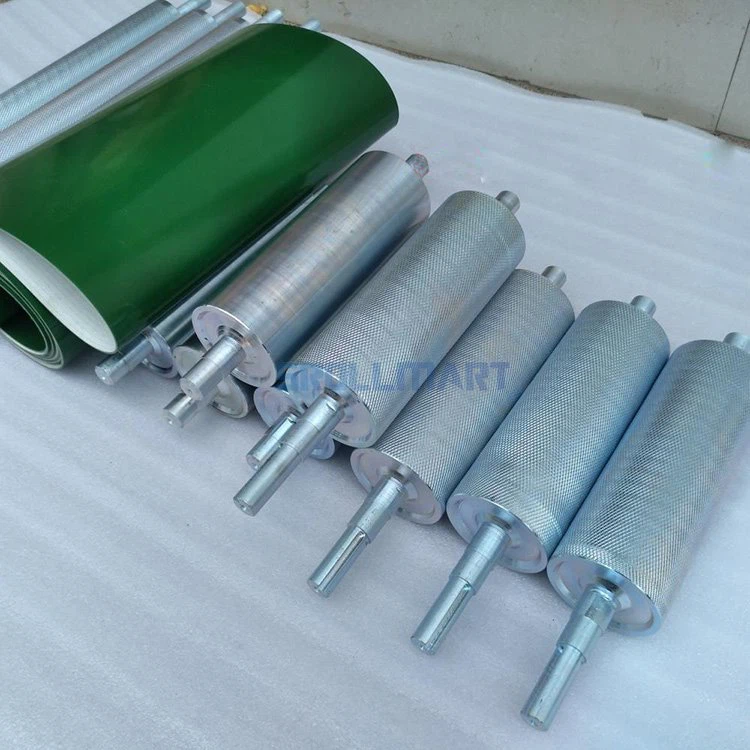
At our company, we offer a wide range of high - quality conveyor belt rollers. Our Unpower Belt Driven Steel Roller is designed for durability and efficiency. It can withstand heavy loads and continuous use, making it ideal for industrial applications. Our Knurled Belt Driven Roller provides excellent traction, ensuring that the belt moves smoothly and without slipping.
Conclusion
In conclusion, regular inspection of conveyor belt rollers is not just a good practice; it's a necessity. By identifying and addressing potential problems early, you can prevent breakdowns, ensure safety, and maintain product quality. As a supplier, we understand the importance of reliable conveyor belt rollers. We're committed to providing you with the best products and the knowledge to keep them in optimal condition.
If you're in the market for high - quality conveyor belt rollers or have any questions about their maintenance, we'd love to hear from you. Contact us to discuss your specific requirements and start a procurement conversation. We're here to help you find the perfect solution for your conveyor system.

References
- "Conveyor Belt Systems: Design, Operation, and Maintenance" by John Smith (2020)
- "Industrial Conveyor Safety Standards" published by XYZ Industry Association (2019)
- Research reports on the performance of conveyor belt rollers from various manufacturers over the past decade.