




What are the common faults of a Tapered Drum Motor?
 Sep 11, 2025|
 Hey there! As a supplier of Tapered Drum Motors, I've seen my fair share of issues with these nifty little machines. In this blog, I'm gonna walk you through some of the common faults you might encounter with a Tapered Drum Motor and what you can do about 'em.
1. Overheating
One of the most common problems with Tapered Drum Motors is overheating. You know, these motors work hard, and if they're not cooled properly, they can get pretty toasty. There are a few reasons why a motor might overheat.
First off, it could be due to overloading. If you're asking the motor to do more work than it's rated for, it's gonna struggle. For example, if you're using a small - capacity Tapered Drum Motor to move a really heavy load, the motor has to work extra hard, and all that extra effort generates heat.
Another reason is poor ventilation. Motors need air to flow around them to dissipate heat. If the motor is installed in a tight space where there's not enough air circulation, the heat can build up. And let's not forget about dirty cooling fans. If the fan that's supposed to cool the motor is clogged with dust and debris, it won't work as effectively, and the motor will overheat.
To fix this, you need to make sure you're using the right - sized motor for the job. Check the load requirements and pick a motor with an appropriate capacity. Also, make sure the motor is installed in a well - ventilated area. And regularly clean the cooling fans to keep them running smoothly.
2. Bearing Failure
Bearings are like the joints of a Tapered Drum Motor. They allow the motor's moving parts to rotate smoothly. But over time, bearings can wear out. There are a couple of factors that can cause bearing failure.
Lack of lubrication is a big one. Bearings need to be lubricated to reduce friction. If there's not enough lubricant, the bearings will start to grind against each other, causing wear and tear. And then there's contamination. Dust, dirt, and moisture can get into the bearings, which can also lead to premature failure.
You can usually tell when a bearing is going bad. The motor might start making a strange noise, kind of like a grinding or clicking sound. And if you notice any vibration that wasn't there before, that could also be a sign of bearing trouble.
To prevent bearing failure, make sure you're following the manufacturer's lubrication schedule. And keep the motor environment clean to avoid contamination. If you do suspect bearing failure, it's best to replace the bearings as soon as possible to avoid further damage to the motor.
3. Electrical Issues
Electrical problems can also plague Tapered Drum Motors. One common issue is a short circuit. A short circuit can happen when the insulation on the motor's wires breaks down, causing the current to flow in an unintended path. This can be really dangerous, as it can lead to overheating and even fire in extreme cases.
Another electrical problem is a blown fuse. Fuses are there to protect the motor from overcurrent. If there's a sudden surge in current, the fuse will blow, cutting off the power to the motor. This can be caused by a short circuit or by trying to start the motor under a heavy load.
And then there's the issue of poor electrical connections. Loose or corroded connections can cause a drop in voltage, which can make the motor run inefficiently or not at all.
To deal with electrical issues, you need to be careful when installing the motor. Make sure all the electrical connections are tight and clean. If you suspect a short circuit, it's best to have a professional electrician take a look. And if a fuse blows, don't just replace it without figuring out what caused the overcurrent in the first place.
4. Belt Slippage
In a Tapered Drum Motor system, belts are often used to transfer power. Belt slippage is a common problem that can reduce the motor's efficiency. There are a few reasons why belts might slip.
One reason is improper tension. If the belt is too loose, it won't grip the motor's pulleys properly, and it will slip. On the other hand, if the belt is too tight, it can put extra stress on the motor and the bearings, leading to premature wear.
Another cause of belt slippage is dirty or worn - out pulleys. If the pulleys are covered in grease or have a lot of wear on their surfaces, the belt won't be able to grip them effectively.
To fix belt slippage, you need to adjust the belt tension according to the manufacturer's specifications. And regularly clean and inspect the pulleys for wear. If the pulleys are too worn, it's best to replace them.
5. Noise and Vibration
Excessive noise and vibration can be a sign that something's wrong with a Tapered Drum Motor. As I mentioned earlier, bearing failure can cause noise and vibration. But there are other causes too.
Imbalance in the motor's rotating parts can lead to vibration. If the motor's rotor isn't balanced properly, it will wobble as it rotates, causing vibration. And misalignment of the motor with the driven equipment can also cause vibration and noise.
To address noise and vibration issues, you need to check the motor's balance. If it's out of balance, you might need to have it re - balanced by a professional. And make sure the motor is properly aligned with the driven equipment.
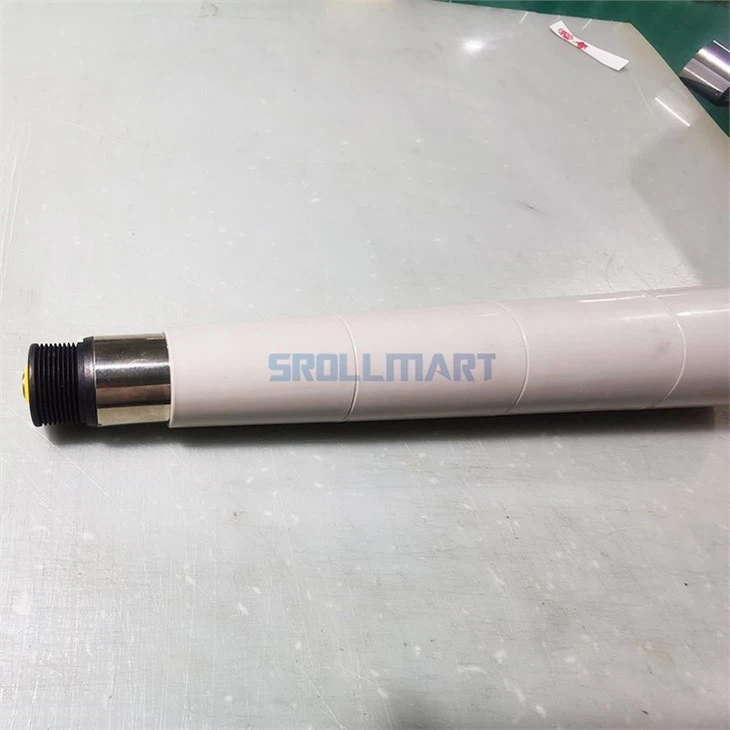
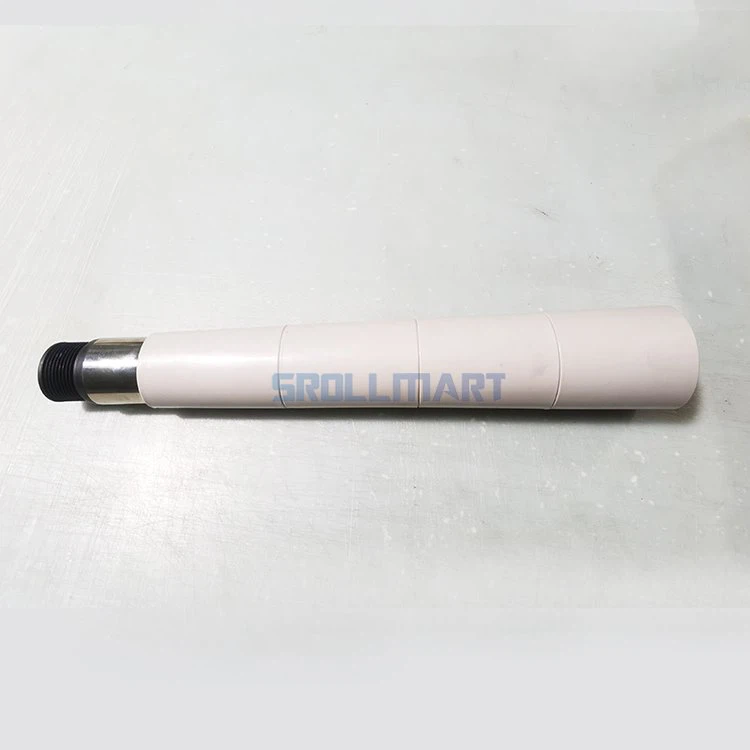
Our Solution: 24V 48V DC PVC Tapered Drum Motor
We offer a great solution in the form of our 24V 48V DC PVC Tapered Drum Motor. This motor is designed to be reliable and efficient, with features that help reduce the likelihood of the common faults I've just talked about.
It has a well - designed cooling system to prevent overheating. The bearings are high - quality and are designed to last longer with proper maintenance. And the electrical components are carefully engineered to minimize the risk of short circuits and other electrical problems.
If you're in the market for a Tapered Drum Motor, whether you're looking to replace an existing one or starting a new project, our 24V 48V DC PVC Tapered Drum Motor could be the perfect choice for you.
Let's Talk!
If you're interested in learning more about our Tapered Drum Motors or have any questions about the common faults and how to prevent them, feel free to reach out. We're always happy to help you find the right motor for your needs and provide any support you might need during the installation and operation process.
References
- Manufacturer's manuals for Tapered Drum Motors
- Industry standards and guidelines for motor maintenance and troubleshooting